Crafting Mobile Games pt 1.
A practical walkthrough of mobile game development — from idea generation and design blueprints to building with Unity or Unreal, testing, and shipping on iOS and Android.
The development process behind every addictive game combines creativity, technology, and strategic planning. In this article, we'll explore the fascinating world of mobile game development and the step-by-step journey from concept to the palms of millions of gamers.
Idea generation and conceptualization
Designing a mobile game involves creating a blueprint for its mechanics, characters, and visual elements. The blueprint outlines the game's mechanics, characters, and visual elements. The development team brainstorms ideas. They consider market trends, player preferences, and technical feasibility. Once they agree on a compelling concept, the team moves forward to flesh out the game's design.
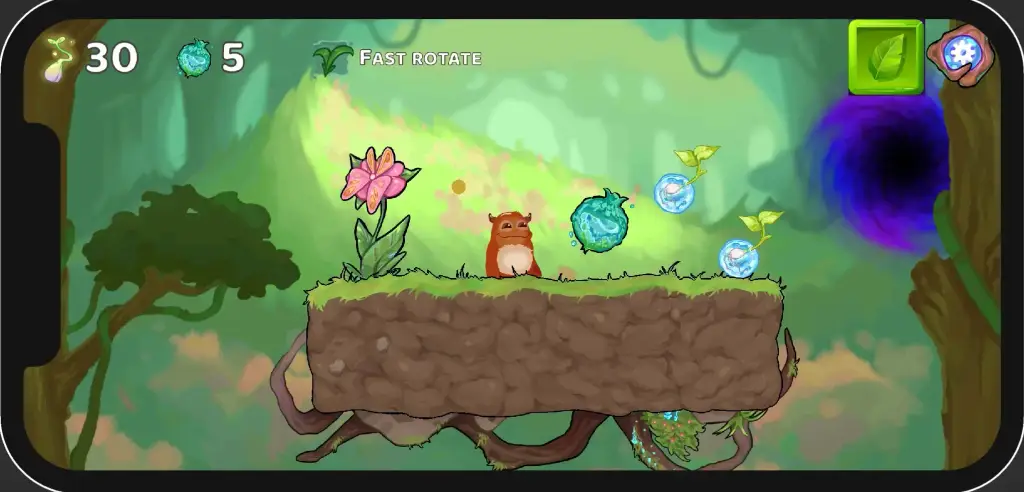
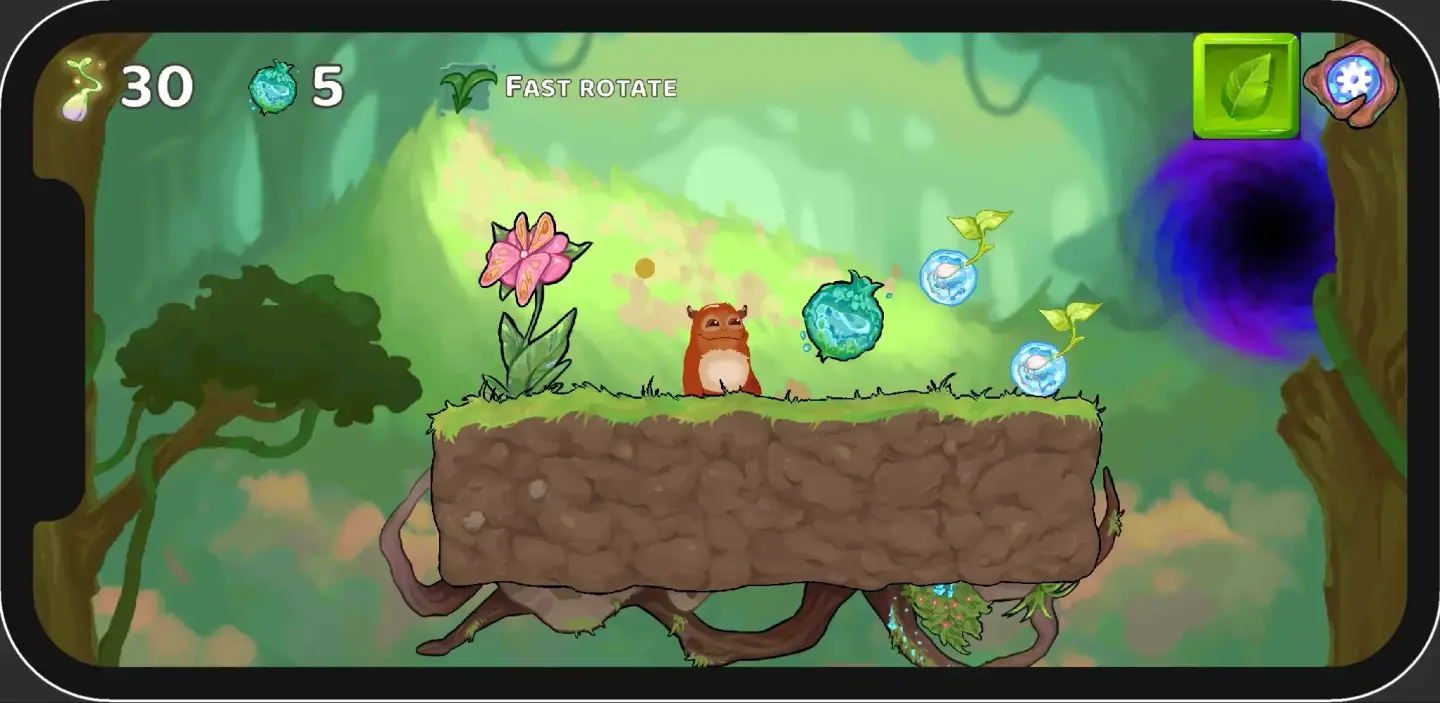
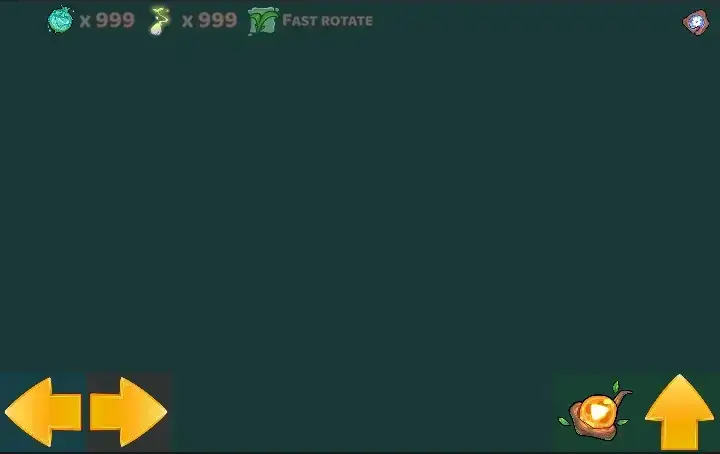
Designing a mobile game involves creating the blueprint for its mechanics, characters, and visual elements. Game designers outline the user interface, levels, and overall gameplay experience.During this stage, it is crucial to prototype ideas to allow developers to test and iterate quickly. Designers and developers should collaborate closely to ensure that the game mechanics are both intuitive and engaging. You can see an example of early drafts made by our team on the Tiny Boo: Homecoming project below.
The development
This phase brings the game to life, with developers using programming languages such as C# or UnityScript, and game engines like Unity or Unreal Engine to build the game. During this stage, the game mechanics are coded, graphics and audio are integrated, and any necessary network features for multiplayer functionality are implemented. Regular testing is conducted to identify and fix bugs, ensuring a smooth gaming experience.
Graphics and Artwork
Visual appeal plays a significant role in a game's success. Artists and graphic designers create characters, environments, and other visual elements that align with the game's theme and design. They produce high-quality 2D and 3D assets and craft animations to enhance the overall gaming experience. The goal is to create a visually stunning and cohesive world that captivates players.