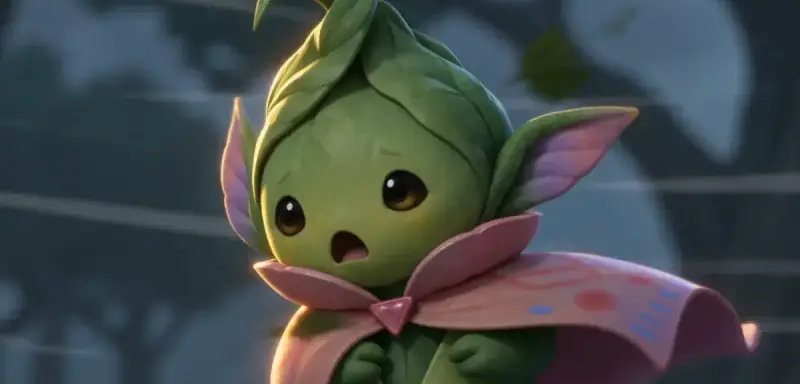
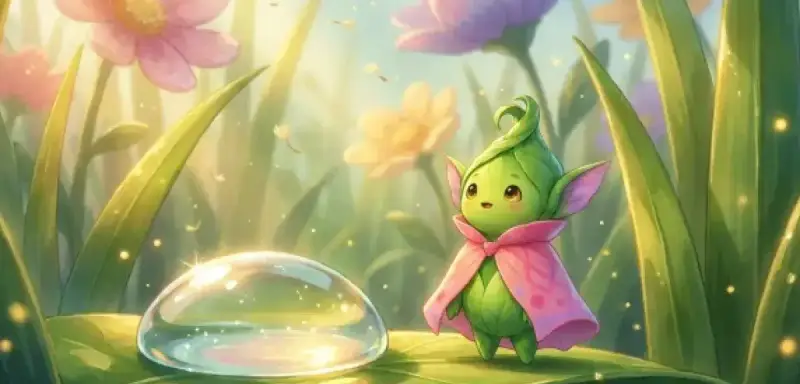
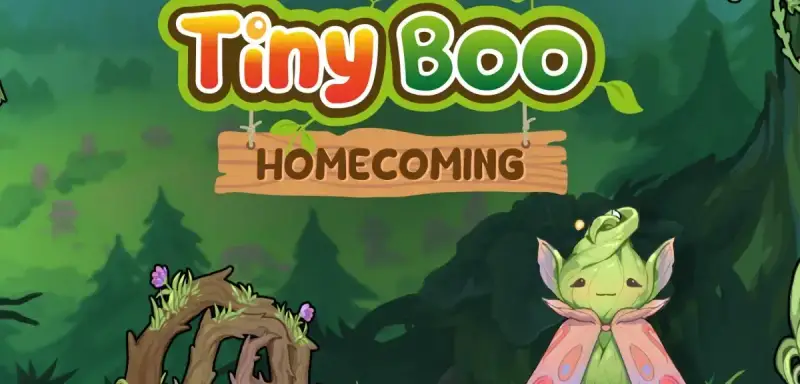
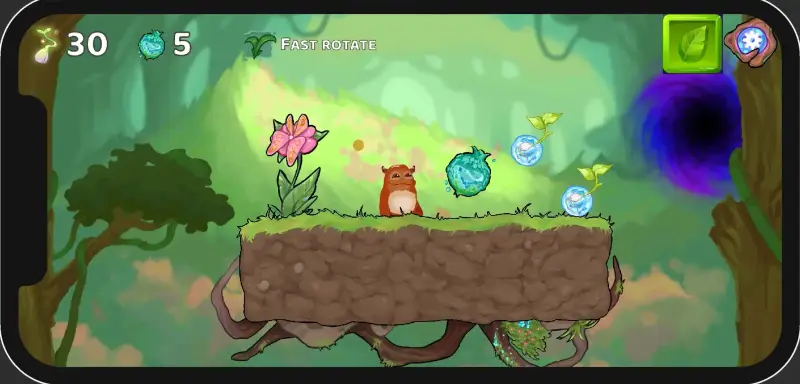
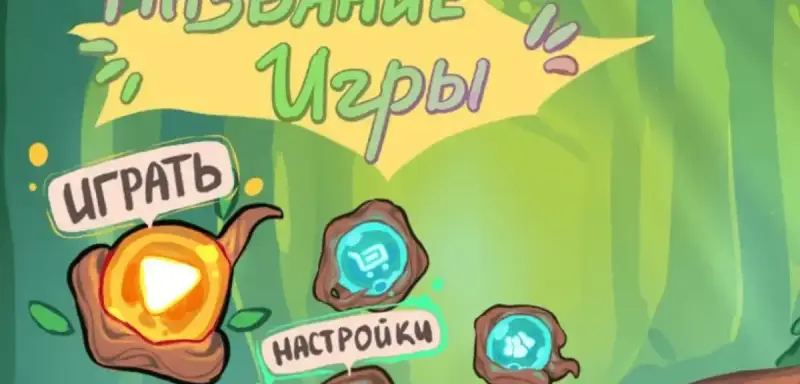
Let me start with where all of this came from. We have a game — Tiny Boo: Homecoming, a story about a tiny creature named Boo who gets lost and makes his way home across a huge world.
Behind the sound design of Tiny Boo: Homecoming — finding sounds that fit its whimsical world, building a unique audio identity, and AI-generated melodies.
How music and sound shape the feel of platformer mobile games — setting tone, guiding rhythm and timing, and building atmosphere in Tiny Boo: Homecoming.
How we approach level design in Tiny Boo: Homecoming — intuitive progression, diverse environments, interactive elements, and carefully balanced difficulty.
How to delete your Tiny Boo: Homecoming account: email XPLOIT support with your player ID, what data is removed, and what may be retained for legal reasons.
A practical walkthrough of mobile game development — from idea generation and design blueprints to building with Unity or Unreal, testing, and shipping on iOS and Android.
Mobile gaming has evolved significantly, attracting players worldwide with various genres. One long-standing genre that still captivates players is platformers.
Why character customization matters in mobile games, and how Tiny Boo gets appearance and gameplay-changing skins, menu themes, and a customizable mascot.
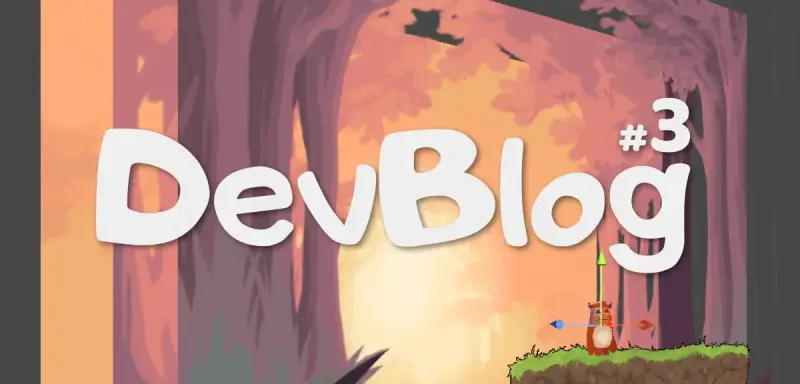
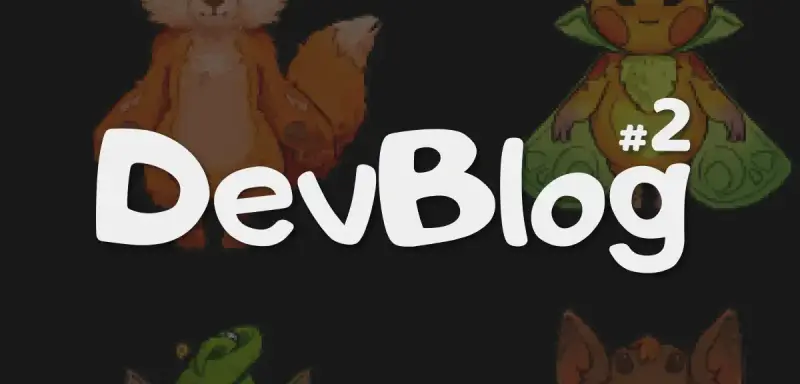
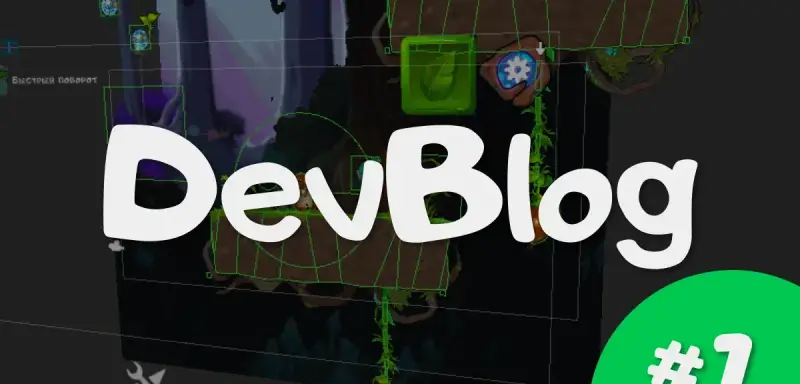
First Tiny Boo developer blog: publishing on Google Play, the world-rotation mechanic, reaching 80% of game content, and meeting the five-person team behind it.
The origin story of Tiny Boo — how I founded XPLOIT, assembled a team of concept artists and illustrators, and turned the Egocentrism idea into a real indie mobile game project.