Tiny Boo: Homecoming - Level design pt 1.
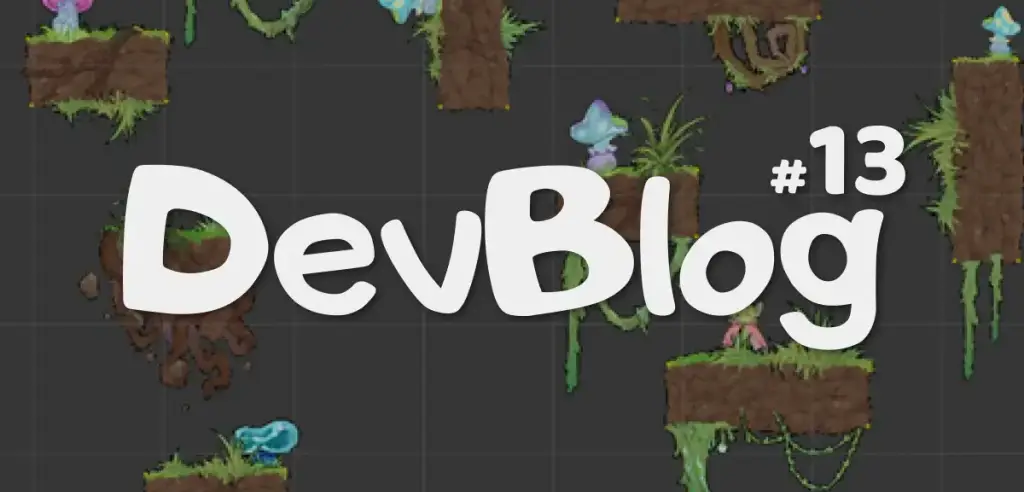
How we approach level design in Tiny Boo: Homecoming — intuitive progression, diverse environments, interactive elements, and carefully balanced difficulty.
Tiny Boo: Homecoming is a mobile game our team is designing to captivate players with its charming visuals, responsive controls, and engaging gameplay. The game's visuals are charming, and the controls are responsive, making for an engaging gameplay experience. The meticulously crafted level design is at the heart of this enchanting experience. It is carefully made with love and passion. In this article, we will delve into the art and science of level design in Tiny Boo: Homecoming, delving into the key elements that make each stage a thrilling adventure.
Intuitive Progression
Tiny Boo's level design is excellent due to its intuitive progression. The game gradually introduces new mechanics and challenges, ensuring a smooth learning curve. Early levels serve as a tutorial, allowing players to familiarize themselves with Boo's abilities and the physics of the game. As players advance, challenges become progressively more complex, keeping the experience engaging without overwhelming the player.
Diverse Environments
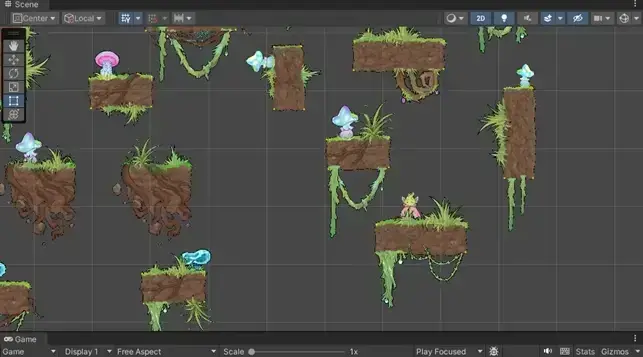
Our game offers a variety of environments, each with its own challenges and aesthetics. These environments are diverse and unique, providing an exciting experience for players. The game keeps players on their toes by constantly changing the backdrop. From warm forests to a mushroom jungle, the scenery is always shifting. This diversity adds visual appeal and ensures that each level feels fresh and exciting.
Interactive Elements
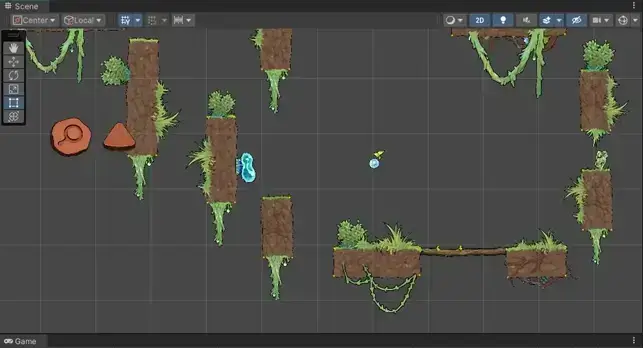
The game's levels contain interactive elements that add to the challenge and fun. Monsters, moving platforms, and portals add complexity to the puzzles. Players must think strategically and use Boo's abilities creatively. The level design seamlessly integrates these elements, making each stage feel dynamic and interactive.
Balanced Difficulty
Tiny Boo: Homecoming tries to achieve the perfect balance of difficulty in game design. The game gradually increases the complexity of levels, challenging players without causing frustration. It encourages experimentation and rewards perseverance, striking a balance that keeps players hooked without discouraging them.