How I Started Creating Music with AI — And Found My Voice as Zynthar and Diva Rogue
How Suno and AI music generation took me from idea to released tracks under two project identities — Zynthar (heavy, raw) and Diva Rogue — and what I learned producing a sound universe solo.
🎸 How I Started Making Music with AI — And Why I Can’t Stop Now
At the end of 2024, I stumbled upon a startup called Suno — and something just clicked. Suddenly, I realized: I can create the kind of music I want to listen to. I don’t need permission, I don’t need a label. I just need the will to do it. That was the moment everything came together.
The First Step — Zynthar
My first track was released under the name Zynthar. It wasn’t just "some heavy stuff" — it was mine. A raw, emotional, powerful sound, echoing the bands that shaped me as a listener: Rammstein, Linkin Park, Korol i Shut, Aria, Manowar…
Early on, I decided to work like a full-on producer of a music universe. I launched a few concept projects — Dusty Cassette, a lo-fi indie trio with a nostalgic vibe, and Void Tapes, an anonymous techno act. But they didn’t really resonate with the audience.
Zynthar and Diva Rogue? They hit different. People listened. People felt something. And I knew: this is it.
Zynthar and Diva Rogue — Two Sides of My Soul
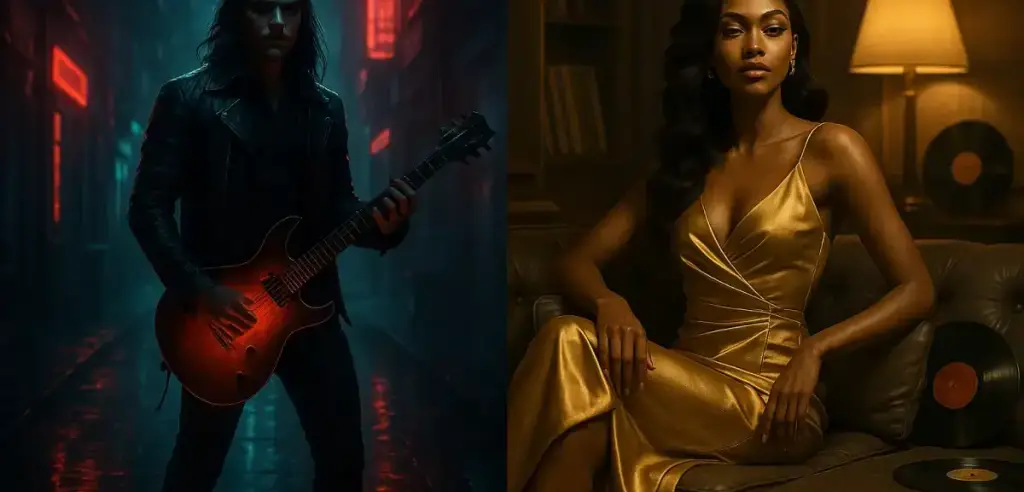
Zynthar is the sound of conflict. It’s the embodiment of inner chaos, pain, release, and hope. Screaming into the void with guitars, massive drums, and lyrics pulled from real moments in my life. It’s not music for attention — it’s music for survival.
Diva Rogue, on the other hand, is pure vibe. The sound of city nights. Sensual, stylish, confident. You hear her songs and feel like you’re cruising through neon-lit streets or sitting in a candlelit lounge with something on the rocks. It’s sexy, smooth, but still driven.
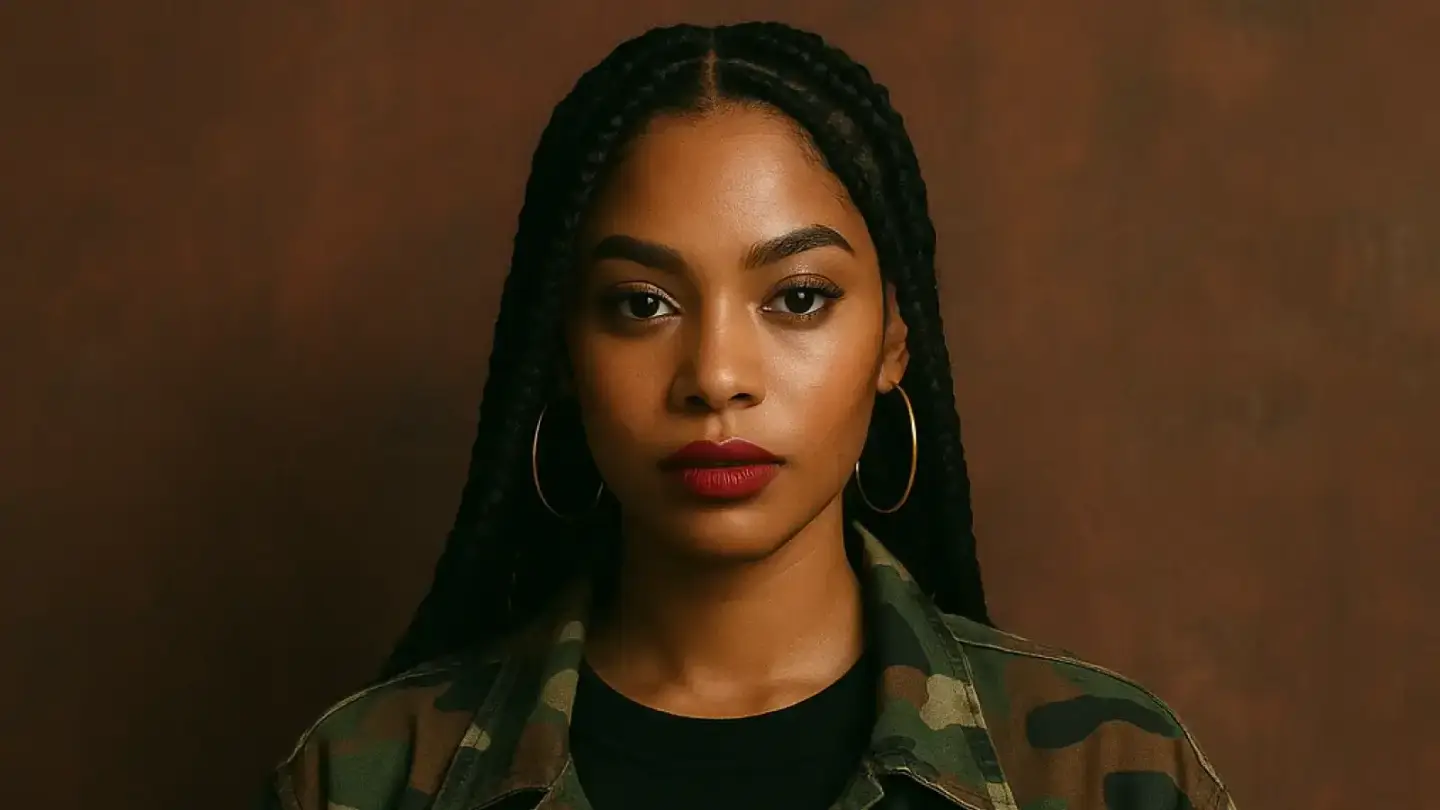
I’m Not a Musician — I’m a Movement
I don’t call myself a “musician” in the traditional sense. I don’t play ten instruments. But I know exactly what I’m doing. In an era of generative AI, I’m creating a new wave of music — digital artists who feel real, sound real, and connect like humans.
What drives me is the process itself. I re-listen to my own tracks — not out of ego, but because they finally feel like something I’ve always wanted to hear. That’s the rush.
I Want Zynthar in Rock Bars, and Diva Rogue in Every Chill Café
I’m not just releasing songs into the void. I want Zynthar and Diva Rogue to become household names. I want people to argue over who’s better. I want TikToks made with Zynthar breakdowns and lo-fi playlists drifting with Diva Rogue vocals.
I want someone to hear a song and say, “Damn… this is exactly how I feel.”
⚡ Want to Start Too?
If you’re reading this and thinking, “Maybe I could try…” — do it. Don’t wait for approval. Music now is freedom. Try. Fail. Learn. Create. Surprise yourself.
The world’s waiting.
🎧 Want to hear the music?
Both Zynthar and Diva Rogue now have their own official websites, where you can explore their worlds and find links to all major streaming platforms:
- 🔥 Zynthar — cinematic post-hardcore, raw emotion and heavy riffs
- ✨ Diva Rogue — R’n’B elegance, sensual vibes and late-night magic
Dive in, pick your side — or fall in love with both.
🎵 Your new favorite artist might just be an AI.